













Key Takeaways
-
Quitting smoking or vaping nicotine cold turkey means stopping abruptly, without tapering or using nicotine replacement products.
-
Withdrawal symptoms typically begin within 4–24 hours, peak at 48–72 hours, and physical symptoms often improve after 3–4 weeks.
-
Individual cravings are usually short-lived, lasting 3–5 minutes, even though they may feel intense.
-
Reaching 28 days nicotine-free significantly increases the likelihood of long-term success.
-
Cold turkey can create a powerful psychological reset, but early relapse risk is highest within the first 3 months.
-
Planning ahead—choosing a quit date, identifying triggers, and building support—dramatically improves outcomes.
-
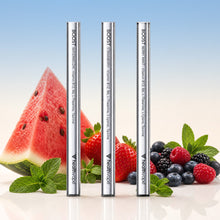
Nicotine-free alternatives, such as HealthVape inhalers may help address behavioral habits without reintroducing nicotine.
-
Many people require multiple attempts before quitting for good—persistence is a critical factor in long-term success.
Quitting nicotine is one of the most significant lifestyle changes a person can make. Whether you smoke cigarettes or vape, the decision to stop, especially cold turkey, requires preparation, commitment, and practical strategies.
If you’re considering quitting smoking or quitting vaping nicotine cold turkey, this guide explores:
-
The advantages of quitting cold turkey
-
The potential challenges and withdrawal timeline
-
Proven strategies to improve success
-
Nicotine-free alternatives that can support the transition
What Does “Cold Turkey” Mean?
Going “cold turkey” means stopping nicotine use abruptly, without gradually reducing consumption and without using nicotine replacement products.
For some individuals, quitting all at once provides a clear psychological break from nicotine dependence. While many people use counseling or medication, others prefer a decisive, self-directed approach.
A study published in the National Library of Medicine found that quitting cold turkey may lead to higher success rates at six months compared to gradual cessation in certain populations. However, success depends heavily on personal factors, motivation, and preparation.
The Advantages of Quitting Smoking or Vaping Cold Turkey
1. Immediate Elimination of Nicotine
Within 24 hours, the body is almost nicotine-free. This means you begin moving past physical dependence immediately rather than prolonging exposure.
By cutting off nicotine entirely:
-
You avoid tapering cycles that may extend cravings
-
You establish a clear psychological boundary: “I don’t use nicotine anymore”
-
You remove ambiguity from your quitting strategy
For some personalities, this firm line improves adherence and commitment.
2. Faster Withdrawal Timeline
Nicotine withdrawal follows a predictable pattern:
|
Time After Last Use |
What Happens |
|
4–24 hours |
Withdrawal symptoms begin |
|
48–72 hours |
Symptoms peak in intensity |
|
1–3 weeks |
Physical symptoms gradually decline |
|
3–4 weeks |
Most physical addiction symptoms subside |
Cravings themselves are usually short-lived, often lasting only 3 to 5 minutes per episode.
Many former smokers and vapers report that once they reach 28 days nicotine-free, their long-term chances of remaining nicotine-free increase substantially.
3. Cost Savings
Nicotine products, whether cigarettes, disposable vapes, pods, or e-liquids, create recurring expenses. Quitting cold turkey immediately eliminates these ongoing costs.
For many people, financial motivation becomes a strong reinforcement during difficult moments.
4. Clear Psychological Reset
Cold turkey can serve as a powerful mental reset. There is no gradual tapering or “just one more.” Instead, you firmly redefine yourself as someone who does not use nicotine.
This identity shift is often a key component of long-term success.
5. Early Physical Improvements
While experiences vary, many people report noticing positive changes quickly:
-
Reduced coughing or throat irritation
-
Improved circulation over time
-
Enhanced taste and smell
-
Increased energy levels
These tangible physical benefits and improved health naturally reinforce motivation.

The Challenges of Quitting Cold Turkey
Cold turkey is simple in concept, but not easy in practice. Understanding the downsides helps you prepare strategically.
1. Intense Early Withdrawal Symptoms
Nicotine affects neurotransmitters linked to reward and mood regulation. When removed abruptly, the body reacts.
Common symptoms include:
-
Irritability
-
Restlessness
-
Difficulty concentrating
-
Sleep disruption
-
Increased appetite
-
Strong cravings
The first 72 hours are often the most challenging.
2. Psychological Triggers
Nicotine use is rarely just chemical, it’s behavioral and habitual.
Common triggers include:
-
Morning coffee
-
After meals
-
Social gatherings
-
Stressful work situations
-
Driving
-
Alcohol consumption
Without a plan, these habitual pairings can trigger relapse.
3. High Relapse Risk in the First 3 Months
Many individuals who attempt to quit return to nicotine within three months. This does not mean quitting is impossible, it highlights the importance of structured support and preparation. It’s essential to be realistic and have a plan in case of slip ups, as to not allow them to derail the process entirely.
As previously mentioned, reaching the first 28 days nicotine-free significantly improves long-term outcomes.
Smart Strategies to Quit Smoking or Vaping Cold Turkey
Success improves dramatically when quitting cold turkey is supported by planning and behavioral strategies.
1. Choose a Strategic Quit Date
Select a quit day within the next month.
Avoid days that might be more difficult, such as:
-
Holidays
-
Major life stressors
-
Big deadlines
Reducing external stress surrounding an already stressful process increases your likelihood of success.
2. Identify and Neutralize Triggers
Write down:
-
When you smoke or vape
-
What emotions are present
-
Who you’re with
Then replace the habit.
For example:
-
After dinner → herbal tea or a nicotine-free inhaler
-
Morning routine → breathing exercises or stretching
-
Stress at work → short walk or hydration break
3. Replace the Hand-to-Mouth Habit (Without Nicotine)
One of the most overlooked aspects of quitting vaping is the behavioral ritual, the inhale, exhale, and sensory cue.
Nicotine-free alternatives can help bridge this gap.
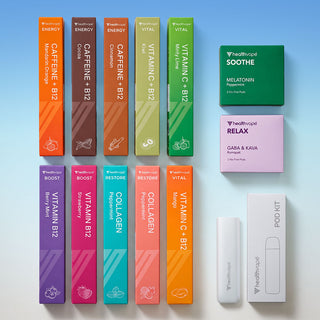
HealthVape Non-Nicotine Inhalers
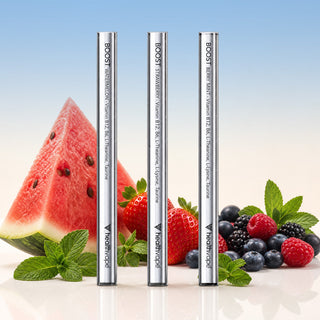
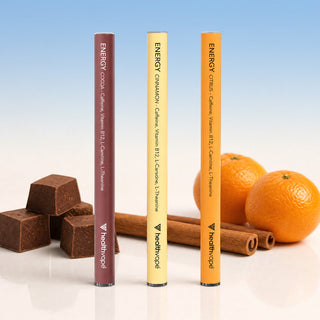
HealthVape inhalers are nicotine-free and formulated with different essential oil blends designed for specific lifestyle moments. They may serve as a behavioral substitute during cravings—without nicotine.
-
CHILL – Designed for moments when stress triggers the urge to vape
-
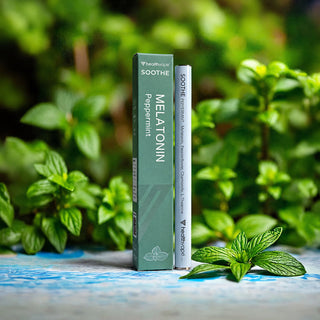
SOOTHE – Intended for nighttime routines when cravings interfere with sleep
-
BOOST – Ideal during work or study sessions when focus dips
-
ENERGY – A caffeine alternative for those who associate vaping with stimulation
These products are not smoking cessation treatments, a nicotine-free inhalation option as part of a personal transition strategy.
4. Build a Support System
Tell those around you that you are quitting nicotine, including:
-
Friends
-
Family
-
Coworkers
When others know your plan, they can help provide accountability when it might be too hard to hold yourself accountable.
For additional support, you could also consider:
-
Joining an online quitting community
-
Reading success stories
-
Connecting with former smokers
5. Create a Cravings Response Plan
When a craving hits, don’t panic:
-
Delay (wait 5 minutes)
-
Breathe deeply
-
Distract yourself
-
Use a nicotine-free alternative if helpful
Most cravings pass quickly if you do not act on them.
6. Focus on Your Reasons
Remembering your “Why” can recenter you during the hardest moments. Write down why you’re quitting:
-
Mental clarity
-
Financial savings
-
Lifestyle goals
-
Athletic performance
-
Family influence
You can read this list as needed when experiencing cravings, withdrawals, or stress.
7. Use Technology
Free resources like text programs and quit-tracking apps can provide reminders and motivational prompts.
Tracking your progress reinforces your commitment, and lets you visualize how far you’ve come to help you not give up.
8. Expect Multiple Attempts
Many former smokers take several attempts before quitting for good. A relapse is not a failure, it is data. You can assess what caused the slip, learn from it to adjust your strategy, and try again.
Cold Turkey vs. Gradual Reduction
Cold turkey works well for:
-
Individuals who prefer decisive action
-
Those who struggle with moderation
-
People motivated by immediate change
Gradual reduction may suit:
-
Highly nicotine-dependent individuals
-
Those with intense withdrawal reactions
-
People benefiting from medical supervision
Take time to reflect on your habits, traits and relationship with nicotine to determine the most suitable approach for you. The best method is the one you can sustain.
Frequently Asked Questions About Quitting Cold Turkey
How long do nicotine cravings last?
Individual cravings usually last 3–5 minutes.
How long will withdrawals last?
The strongest withdrawal symptoms peak within 48–72 hours and typically decline over 3–4 weeks.
Is quitting vaping cold turkey harder than quitting smoking?
The experience varies. Vaping may involve more frequent use throughout the day, which can create stronger behavioral habits.
Can nicotine-free alternatives help during cravings?
Nicotine-free inhalers can help address the sensory and behavioral components of vaping. Products like HealthVape inhalers are nicotine-free options that may support this transition for some users.
Final Thoughts: Is Quitting Cold Turkey Possible?
Yes. While it’s not easy, many people have successfully quit smoking or vaping nicotine cold turkey.
It requires:
-
Preparation
-
Behavioral strategy
-
Trigger awareness
-
Support
-
Persistence
The first 72 hours are often the most challenging, and the first 28 days are critical. Beyond that, your odds improve substantially.
Quitting nicotine is not about perfection, as slip ups are normal and common, it’s about commitment and resilience to be successful long term. Whether you choose cold turkey alone or combine it with behavioral tools and nicotine-free alternatives, your initial decision to stop is a meaningful step forward.
If you’re ready to quit vaping nicotine cold turkey, preparation, not willpower alone, will be your greatest advantage.
Important Disclaimer: These statements have not been evaluated by the Food and Drug Administration or any other agency. This product is not intended to diagnose, treat, cure, or prevent any disease or affect any bodily structure or function. This product should be used only as directed on the label. All trademarks and copyrights are property of their respective owners and not affiliated with nor do they endorse this product. Sale to minors is prohibited. HealthVape expressly makes no health or medical claims for this product. Don't use if you take any medication or have or suspect any medical condition. The information provided does not constitute medical advice and should not take the place of consulting a physician. This information does not and should not replace treatment from a medical professional. Information on this site is provided for informational purposes only. If you need medical advice or assistance, you should consult a physician. Consult your healthcare professional before using new products, including our products. Always carefully read all Warnings & Disclaimers for our products. There is no guarantee of specific results and results can and will vary. Limited offer. Void where restricted or prohibited. Limits & exclusions apply.


