










Something interesting is happening with nicotine. After a century of dominance — through cigarettes, then chew, then vapes — the cultural tide is visibly turning. Not because nicotine disappeared, but because alternatives showed up.
Here's the data, the moments that mattered, and where it's all heading.
The Numbers Tell a Story
Google search interest in "nicotine free vape" has grown over 75% year-over-year. That's not a marketing claim — you can check Google Trends yourself. Meanwhile:
- The nicotine-free vape market is projected to reach $1.2 billion by 2033, up from a fraction of that just five years ago.
- Youth smoking rates in the US are at historic lows. Fewer teenagers are starting with nicotine than at any point in modern tracking.
- Major vape brands (Elf Bar, Lost Mary, JUUL) now offer 0% nicotine versions of their products. Five years ago, that would've been unthinkable — why would a vape company sell a product without the addictive ingredient that keeps people buying?
- Dedicated nicotine-free brands have gone from zero to multiple companies with national distribution in under a decade.
This isn't a blip. It's a structural shift.
The Cultural Moments
Data tells you what is happening. Culture tells you why.
The JUUL Backlash (2019–2022)
JUUL went from Silicon Valley darling to public enemy. Congressional hearings, marketing lawsuits, FDA battles. The brand became synonymous with teen nicotine addiction. It didn't just hurt JUUL — it made an entire generation skeptical of nicotine products.
The Wellness Wave
Health and wellness went from niche to mainstream. Adaptogens in your coffee. Mushroom supplements. Gut health. Gratitude journals. In a culture obsessed with optimizing everything, nicotine started to look like a bug, not a feature. Why would you intentionally add an addictive substance to your routine?
Social Media Destigmatization
Here's the nuance: social media simultaneously made vaping more visible and made not using nicotine more socially acceptable. TikTok and Instagram influencers started showcasing nicotine-free options — vitamin inhalers, aromatherapy devices, flavored air — as lifestyle accessories rather than smoking alternatives.
The "Ingredient Transparency" Movement
Consumers in 2026 read labels. They want to know what's in their food, their skincare, their supplements — and yes, their vapes. "What's in this?" is no longer a niche question. Brands that publish ingredient lists and lab results have an advantage over brands that hide behind "proprietary blends."
Who's Making the Switch (and Why)
The nicotine-free movement isn't just one demographic. It's several overlapping groups:
| Group | Their Reason | What They're Choosing |
|---|---|---|
| Former nicotine vapers | Want to keep the ritual, drop the addiction | Zero-nic vapes, vitamin inhalers |
| Never-smokers | Interested in ingredients (B12, melatonin) or the experience | Vitamin inhalers, aromatherapy devices |
| Wellness enthusiasts | See inhalers as another format for familiar ingredients | Ingredient-specific inhalers (caffeine, B12, chamomile) |
| Oral fixation seekers | Need something for their hands and mouth (gum replacement, stress tool) | Any handheld inhaler format |
Notice: only one of these groups has any history with nicotine. The market is expanding beyond former smokers and vapers. That's new.
What's Next
Trends don't reverse overnight, and this one has serious momentum. Here's what's likely coming:
More mainstream retail
Nicotine-free inhalers are moving from online-only to physical retail. As the category grows, expect to see them in the same stores that sell supplements and wellness products.
Ingredient innovation
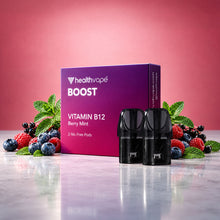
B12, melatonin, and caffeine are the first wave. New formulations with different botanical combinations, amino acid blends, and functional ingredients will expand the category. HealthVape already offers GABA+Kava pods alongside the core lineup.
Better devices
Early vitamin inhalers were basic disposables. Now there are rechargeable pod systems with better battery life, consistent delivery, and less waste. The hardware will keep improving.
Clearer regulation
As the market grows, regulatory clarity will follow. This is ultimately a good thing — clear rules protect consumers and legitimate brands alike.
The Big Picture
Nicotine had a 100-year head start. It was embedded in culture, in social rituals, in the economy. The shift away from it isn't happening because people suddenly developed willpower — it's happening because better options appeared.
When someone can get the ritual, the hand motion, the inhale, the moment of pause — without the addictive ingredient — a lot of people are going to take that deal. And that's exactly what's happening.
Curious about what that looks like in practice? Check out 10 celebrities who quit smoking — every single one replaced the habit with something else.


