








Last updated: May 21, 2026 · 18 min read
Nicotine pouches are everywhere. Walk into any gas station and there's an entire shelf dedicated to them. Open TikTok and "Zynfluencers" are racking up millions of views. Even politicians are getting photographed with pouches tucked under their lips in the U.S. Senate.
The numbers back it up: the nicotine pouch market hit $6.96 billion in 2025 and is projected to reach $42.5 billion by 2033, growing at 24.7% annually. ZYN alone shipped 105.4 million cans in a single quarter in 2023 — a 65.7% increase year-over-year.
But here's what the hype isn't telling you: the gum recession that appears after months of daily use. The FDA warnings about child poisoning cases. The $800–$1,000+ annual spending habit that sneaks up on you. And the ingredient list most users have never actually read.
This guide breaks it all down — what's inside nicotine pouches, the real health risks, what they actually cost per week, and how they compare to nicotine-free vitamin-infused inhalers that are gaining ground as a completely different category of alternative.

The Nicotine Pouch Explosion: How We Got Here
Nicotine pouches entered the U.S. market in 2016 as a niche product. By 2020, sales had jumped from 163,000 units to over 46 million units in just the first half of the year. Then the real explosion happened.
Social Media Made It a Lifestyle
Truth Initiative research found a reciprocal relationship between nicotine pouch sales and TikTok content. Videos tagged #zyn have accumulated over 715 million views. The "Zynfluencer" phenomenon mirrors what happened with JUUL a decade ago — youth-centric social content normalizing a nicotine product and making it feel like a lifestyle choice rather than a substance dependency.
The difference this time? The product is genuinely discreet. No vapor, no smell, no visible device. You can use it in meetings, classrooms, and airplanes without anyone noticing. That discretion has made it spread faster than any previous nicotine product.
Celebrity Endorsements Are Fueling the Fire
| Celebrity | Industry | Notable Moment |
|---|---|---|
| Tucker Carlson | Media / Commentary | Promoted ZYN as a "productivity booster" on podcasts. Had a public falling-out with the brand, destroyed a tin with a shotgun on video, then launched his own competing brand — ALP Pouches — at $4.99/can. |
| RFK Jr. | Politics (HHS Secretary nominee) | Photographed placing a nicotine pouch under his lip during a Senate session — while being nominated to lead U.S. health policy. |
| Joe Rogan | Podcasting (300M+ listeners/month) | Regularly uses nicotine pouches on his show. Multiple guests have tried ZYN live on air. |
| Baker Mayfield | NFL (Buccaneers QB) | Openly uses nicotine pouches, normalizing the product among sports fans. |
| Bert Kreischer | Comedy | Discussed pouch use on multiple podcast appearances and comedy specials. |
| Matt Serra | UFC (Former Champion) | Used a ZYN 6mg live on The Joe Rogan Experience and praised the experience. |

The Reddit Reality Check
While TikTok glamorizes pouches, Reddit tells the other story. Communities like r/QuittingZYN are filled with users sharing their experiences trying to quit — and struggling:
- "I went from 3mg to 6mg and now I can't go back" — tolerance escalation is constant
- "My gums are receding and my dentist is concerned" — oral health complaints appear regularly
- "I'm spending $25/week and can't stop" — cost-of-habit awareness
- "Day 1 again" — repeated quit attempts highlighting how addictive the products are
The gap between TikTok culture and Reddit reality is the gap between marketing and lived experience.
What's Actually Inside Nicotine Pouches
Most nicotine pouch users have never read the full ingredient list. Here's what you're putting in your body:
ZYN — The Market Leader (~64% U.S. Share)
- Nicotine salt (Nicotine bitartrate dihydrate) — 3mg or 6mg per pouch
- Stabilizers — Hydroxypropyl cellulose
- Fillers — Microcrystalline cellulose, maltitol, gum arabic
- pH adjusters — Sodium carbonate, sodium bicarbonate (raises pH to accelerate nicotine absorption)
- Sweeteners — Acesulfame K (artificial)
- Food-grade flavorings
What lab testing found beyond the label: A 2023 NIH study screening 43 compounds in ZYN products detected trace levels of ammonia, chromium, formaldehyde, and nickel. While levels were low, these are substances most users don't know they're being exposed to — and they accumulate with daily use over months and years.
The Ingredient Concerns Nobody Talks About
- pH adjusters amplify nicotine absorption. Sodium carbonate converts nicotine into its freebase form, which absorbs faster through oral mucosa. This is an engineering choice to make the product more potent — and more addictive.
- Flavoring compounds damage oral tissue. A 2023 study in Tobacco Control found that flavoring chemicals in pouches impair periodontal immune responses and increase penetration of nitrosamines — the flavors themselves may cause harm independent of nicotine.
- Artificial sweeteners in direct mucosal contact. Acesulfame K sitting against gum tissue for 30–60 minutes, multiple times daily, is a very different exposure pathway than drinking a diet soda.
- Trace metals and formaldehyde appear even in the "cleanest" products. Low? Yes. Zero? No.
The Major Brands — All Owned by Big Tobacco
| Brand | Parent Company | Strengths | Price/Can | Notable |
|---|---|---|---|---|
| ZYN | Philip Morris (Swedish Match) | 3mg, 6mg | $3.49–$5.69 | ~64% market share. FDA-authorized. |
| VELO | British American Tobacco | 2mg, 4mg, 7mg | $3.00–$5.00 | Spent $23.4M on ads (94.7% of category spend). |
| On! | Altria (Marlboro parent) | 1.5–8mg | $3.50–$5.50 | Made by the same company behind Marlboro. |
| Rogue | Altria | 3mg, 6mg | $3.50–$4.50 | Budget option. |
| Lucy | Independent | 4mg, 8mg, 12mg | $4.00–$6.00 | Highest strength on market (12mg). |
| ALP | Tucker Carlson venture | 3mg, 6mg, 9mg | $4.99 | Celebrity-driven political branding. |
Notice the pattern: Every major nicotine pouch brand is either owned by a tobacco giant (Philip Morris, BAT, Altria/Marlboro) or marketed by media personalities profiting from the product. The tobacco industry didn't disappear — it pivoted to a new delivery mechanism.
The Health Risks of Excessive Nicotine Pouch Use
Let's be direct: nicotine pouches are almost certainly less harmful than smoking cigarettes. But "less harmful than cigarettes" is a remarkably low bar. It doesn't mean "safe."
Oral Health: The Most Visible Damage
- Gum recession (irreversible). Nicotine constricts blood vessels, reducing blood flow to gum tissue. Over months of daily use, gums pull away from teeth, exposing root surfaces. This requires surgical grafting to repair.
- Oral lesions. White or discolored patches (leukoplakia) develop at the placement site. While many are benign, some can become precancerous.
- Hidden damage. Nicotine's vasoconstricting effect masks gum disease symptoms. Healthy gums bleed when inflamed — it's your body's warning signal. Nicotine reduces blood flow so much that gums don't bleed, making users think their oral health is fine when it's deteriorating.
Cardiovascular Effects
- Acute blood pressure spikes with each pouch, multiple times daily
- Elevated heart rate with each use
- Chronic vascular effects — nicotine contributes to arterial stiffness over time
- A 2025 study found regular pouch users showed cardiovascular risk markers that didn't immediately improve even after 12 weeks of quitting
Addiction and Dependency
- Average user: 8–12 pouches/day
- Heavy users (men 25–34): 14 pouches/day
- ZYN 6mg = nicotine equivalent of 1–2 cigarettes
- At 10 pouches/day at 6mg = 60mg nicotine daily (equivalent to 10–20 cigarettes)
Withdrawal symptoms include intense cravings, irritability, anxiety, insomnia, difficulty concentrating, increased appetite, and headaches. Users on r/QuittingZYN frequently describe quitting as "worse than quitting cigarettes" because the convenience of pouches enables more frequent dosing.
The Child Safety Crisis
In February 2025, FDA Commissioner Marty Makary reported nicotine pouch poisoning cases had steadily increased, with 72% involving children under age 5. A single pouch can deliver a toxic dose to a small child. Child-resistant packaging remains voluntary.

What You're Really Spending: Weekly Cost Breakdown
| Usage Level | Pouches/Day | Weekly Cost | Monthly Cost | Annual Cost |
|---|---|---|---|---|
| Light user | 4–6 | $10–$12 | $40–$50 | $480–$600 |
| Average user | 8–12 | $16–$24 | $66–$100 | $800–$1,200 |
| Heavy user | 14–20 | $28–$40 | $115–$170 | $1,400–$2,000 |
The Tolerance Tax
What makes pouch spending insidious is tolerance escalation:
- Start with 3mg, 4–6 pouches/day → ~$40/month
- Build tolerance, switch to 6mg → same cost, more nicotine dependency
- Usage creeps to 10–12/day → $80–$100/month
- Some brands offer 8mg, 9mg, even 12mg → deeper dependency, higher spend
This escalation is by design. Higher-strength products exist because tolerance makes lower strengths inadequate over time.
A Different Category: Vitamin-Infused Nicotine-Free Inhalers
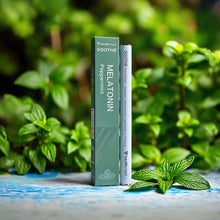
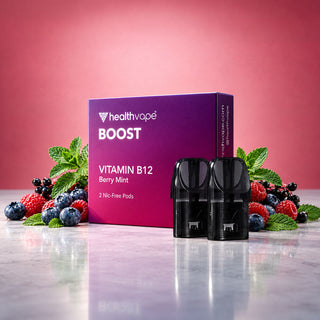
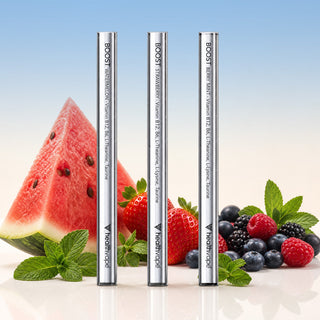
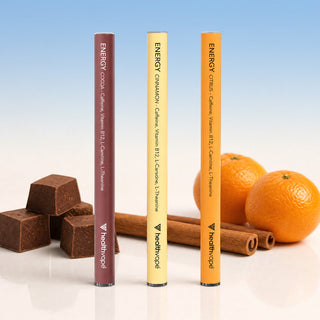
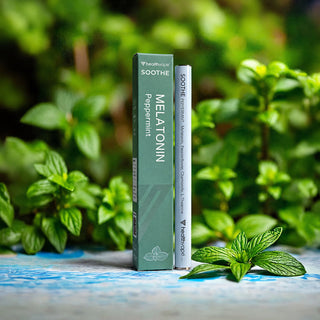
While nicotine pouches deliver an addictive substance through your gums, an entirely different product category has emerged: vitamin-infused nicotine-free inhalers. These aren't just "pouches without nicotine" — they're a fundamentally different approach.
Instead of finding a replacement that mimics nicotine, the idea is to replace the entire behavior with one that serves a different purpose. Inhalers maintain the hand-to-mouth ritual (one of the hardest parts of any nicotine habit to break) while delivering positive ingredients — herbal extracts and vitamin-infused formulas — through inhalation.
Head-to-Head: Nicotine Pouches vs. Nicotine-Free Inhalers
| Nicotine Pouches | Vitamin-Infused Inhalers | |
|---|---|---|
| Contains nicotine? | Yes (3–12mg per pouch) | No |
| Addictive? | Yes — highly addictive substance | No addictive compounds |
| What's inside? | Nicotine salt, fillers, pH adjusters, artificial sweeteners, flavorings | Positive ingredients: vitamin-infused and herbal ingredient formulas |
| Delivery method | Oral absorption through gum tissue (30–60 min contact) | Inhalation — hand-to-mouth ritual maintained |
| Oral health risk? | Gum recession, oral lesions, tissue damage | No direct gum tissue contact |
| Cardiovascular risk? | BP spikes, elevated HR, vascular effects | No nicotine = no vasoconstriction |
| Tolerance escalation? | Common — users progress to higher strengths | No dependency mechanism |
| Monthly cost | $66–$170 | $30–$80 |
| Manufacturing standards | Varies by brand | USP-grade ingredients, ISO-certified clean rooms (HealthVape) |
Nicotine-Free Vape Brand Comparison
| Category | Brand Example | What It Does |
|---|---|---|
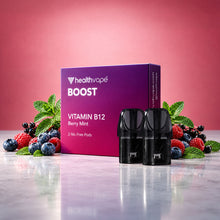
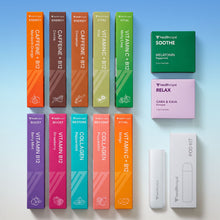
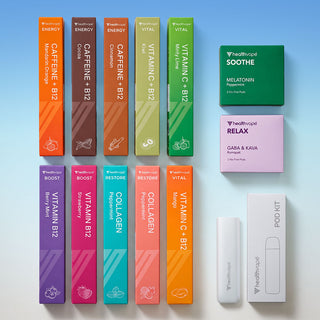
| Zero Nic, Vitamin-Infused | HealthVape | Multiple vitamin and herbal ingredient infused formulations (Energy, Chill, Boost, and more). USP-grade ingredients, ISO-certified manufacturing, full transparency. Third-party lab tested. |
| Zero Nic Vape | Ripple | Nicotine-free vaping with botanical extracts and diffused aromatherapy blends. Focus on relaxation and habit replacement. |
| Flavored Air | FÜM | No vapor, no liquid, no electronics. A wooden core with essential oil blends — pure aromatherapy through a physical breathing ritual. |
| Essential Oil Vape | MONQ | Personal aromatherapy diffusers with therapeutic-grade essential oil blends. Designed for brief aromatherapy sessions. |
Why People Choose Inhalers Over Pouches
- The hand-to-mouth ritual. For former smokers and vapers, the physical motion is often harder to break than the nicotine itself. A pouch doesn't address this — it replaces one oral fixation with another. An inhaler maintains the actual sensory experience.
- Oral health concerns. Nicotine pouches sit against gum tissue for 30–60 minutes. The documented recession and lesions are enough to make some users look for alternatives without prolonged gum contact.
- Positive ingredients, not just absence of nicotine. Inhalers include herbal extracts and vitamin-infused formulas — you're gaining something, not just avoiding something.
- Lower cost without escalation. At $30–$80/month vs. $66–$170/month, the savings are meaningful — especially without tolerance-driven spending increases.
Frequently Asked Questions
Are nicotine pouches safer than cigarettes?
Almost certainly — they don't involve combustion, tar, or lung exposure. But they still deliver a highly addictive substance with documented oral health, cardiovascular, and dependency risks. "Safer than cigarettes" is one of the lowest bars in health.
Can you get addicted to nicotine pouches?
Absolutely. The average user consumes 8–12 pouches daily. Pouch-specific red flags: needing higher strengths, feeling anxious when you run out, failing repeated quit attempts.
Do nicotine pouches cause gum recession?
Yes — this is well-documented. Nicotine constricts blood vessels, reducing blood flow to gums. Over months of daily use, gums recede and pull away from teeth. This is irreversible without surgical grafting.
What are vitamin-infused nicotine-free inhalers?
Devices that deliver positive ingredients — herbal extracts and vitamin-infused formulas — through inhalation, maintaining the hand-to-mouth ritual without any nicotine. Brands like HealthVape use USP-grade ingredients manufactured in ISO-certified clean rooms.
How much do nicotine pouches cost per week?
Average user (8–12 pouches/day): $16–$24/week or $66–$100/month. Heavy users: $28–$40/week or $1,400–$2,000/year. Costs increase over time as tolerance escalates.
Are nicotine-free inhalers effective for quitting pouches?
Many users report success using a combination approach: addressing the chemical dependency (which fades over 2–4 weeks) and the behavioral habit (which takes longer). Switching to an inhaler gives a completely different ritual that can help break the association with nicotine.
The Bottom Line
Nicotine pouches are a $7 billion industry built on a simple proposition: nicotine without the smoke. For people currently smoking cigarettes, that's genuinely a step in a less harmful direction.
But for the millions of people picking up pouches as their first nicotine product — driven by TikTok, celebrity endorsements, and candy-colored packaging — the calculation is different. They're not reducing harm. They're starting a dependency.
Vitamin-infused nicotine-free inhalers offer a fundamentally different approach: maintain the ritual, swap addictive chemicals for positive ingredients, spend less, and avoid the oral health damage that comes with holding nicotine against your gums 8–12 times a day.
Whether you're currently using pouches and looking for an exit, or you're considering starting and want to understand what you'd be getting into — the options exist. The market has caught up to the demand for products that deliver an experience without delivering a dependency.
Explore HealthVape's full lineup at healthvape.com — every ingredient listed, every batch tested, every device manufactured in ISO-certified clean rooms.
Important Disclaimer: These statements have not been evaluated by the Food and Drug Administration or any other agency. This product is not intended to diagnose, treat, cure, or prevent any disease or affect any bodily structure or function. This product should be used only as directed on the label. All trademarks and copyrights are property of their respective owners and not affiliated with nor do they endorse this product. Sale to minors is prohibited. HealthVape expressly makes no health or medical claims for this product. Don't use if you take any medication or have or suspect any medical condition. The information provided does not constitute medical advice and should not take the place of consulting a physician. This information does not and should not replace treatment from a medical professional. Information on this site is provided for informational purposes only. If you need medical advice or assistance, you should consult a physician. Consult your healthcare professional before using new products, including our products. Always carefully read all Warnings & Disclaimers for our products. There is no guarantee of specific results and results can and will vary. Limited offer. Void where restricted or prohibited. Limits & exclusions apply.


