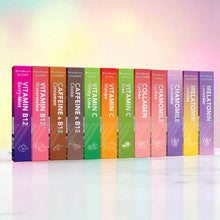
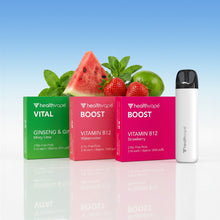
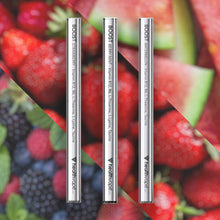
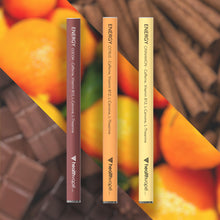






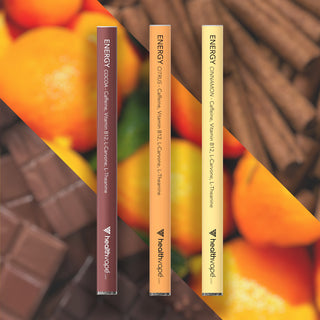


The nicotine-free vape market has exploded. What used to be a niche corner of the vaping world is now a full-blown category — with dedicated brands, new ingredient formulas, and millions of people choosing zero-nic options every month.
But with growth comes noise. There are dozens of brands now, each claiming to be the best. Some are legitimate. Some are sketchy. And most of the "guides" you'll find online are either outdated or written by people who've never actually used the products.
This is the guide we wish existed when we started. No affiliate tricks, no fluff — just what's actually out there and how it all compares.
What Is a Nicotine-Free Vape?
A nicotine-free vape is exactly what it sounds like: a device that produces an inhalable vapor or aerosol without any nicotine. That's the only universal definition. Beyond that, the category splits into two very different types:
Type 1: Zero-Nic E-Liquid Vapes
These are traditional vapes (mods, pods, disposables) filled with the same propylene glycol (PG) and vegetable glycerin (VG) base as nicotine vapes — just without the nicotine. They produce the same clouds, carry the same flavors, and use the same hardware.
What's inside: PG, VG, food-grade flavorings. That's it.
Who they're for: People who enjoy vaping as an activity but don't want the nicotine. Often used by former nicotine vapers who've weaned down to 0mg.
Type 2: Vitamin / Ingredient-Based Inhalers
A newer category. These devices deliver specific ingredients — vitamins, botanical extracts, amino acids — via inhalation. They typically don't use PG/VG bases (or use minimal amounts) and focus on the ingredient formula rather than cloud production.
What's inside: Varies by brand and product. Common ingredients include Vitamin B12, melatonin, caffeine, chamomile, L-theanine, GABA, collagen, Vitamin C, and various botanical extracts.
Who they're for: People interested in the ingredients, people looking for a hand-to-mouth ritual without nicotine, and people who may have never vaped nicotine at all.
The Ingredient Landscape: What's Actually in These Things
This is where most guides get lazy. They list brand names and move on. Here's what's actually inside the major product categories:
| Ingredient Category | Common Ingredients | Found In | Notes |
|---|---|---|---|
| B-Vitamins | B12 (cyanocobalamin/methylcobalamin), B6 | Most vitamin vape brands | The most common ingredient in the category. B12 is found naturally in meat, fish, and dairy. |
| Melatonin | Synthetic melatonin | Sleep-focused products | Same compound found in melatonin gummies and supplements, delivered via inhalation. |
| Caffeine | Anhydrous caffeine | Energy-focused products | Same form used in energy drinks and pre-workouts. Typically small amounts per puff. |
| Botanicals | Chamomile extract, lavender, passionflower | Relaxation-focused products | Botanical extracts with long histories of use in teas and aromatherapy. |
| Amino Acids | L-theanine, GABA, taurine | Calming/focus products | Naturally occurring compounds found in tea (L-theanine), the brain (GABA), and energy drinks (taurine). |
| Other | Vitamin C, collagen, CoQ10 | Specialty products | Less common; typically brand-specific formulas. |
The Major Brands: Who's Who in 2026
The nicotine-free space has a handful of established players and a growing number of newcomers. Here's the landscape:
Dedicated Nicotine-Free Brands
These companies only make nicotine-free products. That's their entire business.
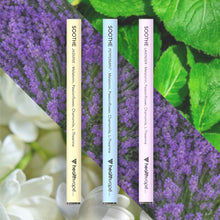
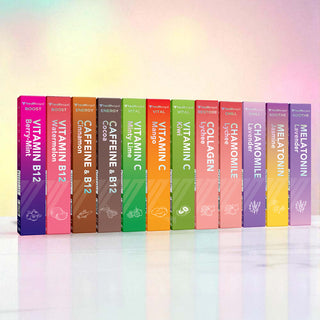
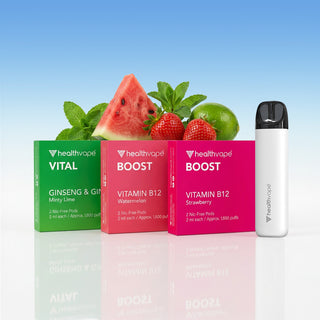
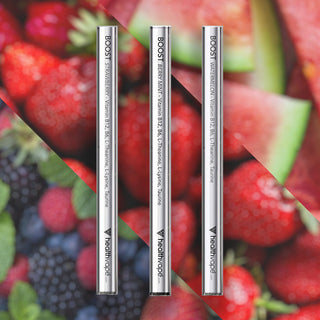
- HealthVape — One of the original vitamin inhaler brands (since 2018). Known for ingredient transparency and a wide product line: B12 pens, caffeine pens, melatonin pens, chamomile pens, Vitamin C pens, collagen, GABA+Kava, plus a rechargeable pod system. Ships from the US.
- ARRØ — Major player with aggressive SEO and content marketing. Multiple product lines, similar ingredient categories. Strong retail presence.
- VitaBar — Science-forward branding. Focuses on ingredient education and vitamin formulas.
- LUVV — Lifestyle-oriented brand. Wellness and self-care positioning.
- Füm — Unique approach: no vapor at all. Flavored air through a wooden inhaler. No electronics, no heat, no liquid.
Traditional Vape Brands with 0mg Options
Many standard vape companies offer 0mg (zero nicotine) versions of their products: Elf Bar, Lost Mary, JUUL (0% pods), Vuse, NJOY. These are PG/VG-based — same product, just without nicotine.
How to Evaluate a Nicotine-Free Vape: The Checklist
Not all products in this category are created equal. Here's what to look for:
1. Full Ingredient Transparency
Can you see exactly what's in the product? Not just "proprietary blend" — the actual ingredients and amounts. If a brand won't tell you what's inside, that's a red flag.
2. Third-Party Lab Testing
Does the brand publish lab results? Independent testing verifies that what's on the label is actually in the product — and that nothing else is.
3. Manufacturing Location
Where is it made? Products manufactured in facilities with quality controls (GMP-certified, US-based, etc.) generally have better consistency.
4. Clear Ingredient Sourcing
Where do the ingredients come from? Reputable brands can tell you the source and grade of their ingredients.
5. No Ridiculous Health Claims
Any brand claiming their product "cures" anything, "treats" a condition, or provides specific medical benefits is either lying or breaking FDA regulations. Legitimate brands are careful with their language.
Nicotine-Free Vapes vs. Nicotine Vapes: The Comparison
| Factor | Nicotine Vapes | Zero-Nic E-Liquid | Vitamin/Ingredient Inhalers |
|---|---|---|---|
| Nicotine | Yes (3mg–50mg) | No (0mg) | No |
| Base liquid | PG/VG | PG/VG | Varies (often VG-based or proprietary) |
| Active ingredients | Nicotine + flavorings | Flavorings only | Vitamins, botanicals, amino acids |
| Addictive potential | High (nicotine is addictive) | No nicotine | No nicotine |
| Cloud production | Yes | Yes (same hardware) | Minimal to moderate |
| Typical price | $5–$30 | $5–$25 | $15–$30 |
| Audience | Nicotine users | Former nicotine vapers, hobbyists | Wellness-curious, ritual seekers |
Common Questions
Are nicotine-free vapes regulated?
It depends on the country and the specific product. In the US, the FDA regulates products that contain tobacco-derived ingredients. Nicotine-free products that don't contain tobacco-derived substances exist in a different regulatory space. Regulations are evolving — check current FDA guidance for the latest.
Can you get addicted to nicotine-free vapes?
They don't contain nicotine, which is the addictive compound in traditional vapes and cigarettes. That said, any repetitive behavior can become a habit. The distinction between chemical addiction and behavioral habit is important.
How long does a nicotine-free vape last?
Disposable pens typically last 400–800 puffs depending on the brand and your usage. Rechargeable pod systems last as long as you keep buying pods — the device itself is reusable.
What's the best nicotine-free vape?
That depends entirely on what you're looking for. If you want the vaping experience without nicotine, a 0mg e-liquid vape works. If you're interested in specific ingredients (B12, melatonin, caffeine, etc.), a vitamin inhaler is a different experience. Browse HealthVape's full lineup to see what's available in the vitamin inhaler category.
The Bottom Line
The nicotine-free vape market in 2026 is bigger, more diverse, and more legitimate than it's ever been. There are real brands making real products with transparent ingredients. There are also cheap knockoffs and brands making claims they shouldn't.
Do your homework. Check ingredients. Look for lab testing. Be skeptical of health claims. And if you're exploring this category for the first time, start with a brand that's been around long enough to have a track record.
Want to see what's inside HealthVape's products? Check out the Variety Sampler 5-Pack — it includes five different formulas so you can compare ingredients and find what you're looking for.


