









Last updated: May 21, 2026 · 18 min read
The nicotine-free vape market hit $4.1 billion in 2024 and is growing at 19.2% annually — faster than the broader vaping industry. That's not a niche trend. That's a fundamental shift in what people want from these products.
What's driving it? Three things.
First, people who are quitting nicotine but not ready to quit the habit. Around 30% of people trying to quit smoking now use vaping as part of their strategy. Many of them eventually want to drop the nicotine entirely while keeping the hand-to-mouth ritual that helps manage their cravings. A nicotine-free vape or inhaler lets them do exactly that.
Second, wellness-first consumers who never used nicotine in the first place. They're drawn to positive ingredients — herbal extracts, vitamin-infused formulas, caffeine, melatonin — delivered through inhalation. For them, it's not about quitting anything. It's about adding something.
Third, step-down users who are gradually reducing. They've gone from high-nicotine to low-nicotine, and zero-nicotine is the final step before quitting entirely. A nicotine-free product is the last rung on the ladder.
The problem is that "nicotine-free alternative" can mean a dozen different things. A vitamin-infused inhaler, a zero-nic disposable vape, a flavored breathing tube, a nicotine patch — they're all "nicotine-free alternatives," and they couldn't be more different from each other.
This guide covers all of them. Every category, every major brand, honest cost comparisons, and a decision framework to help you figure out which option actually fits your situation. We mention our own products where relevant and competitors by name throughout — because a guide that only talks about one brand isn't a guide, it's an ad.

Understanding the Categories: Not All Nicotine-Free Products Are the Same
Before diving into individual products, it helps to understand the landscape. There are five fundamentally different types of nicotine-free alternatives, and they serve different purposes, contain different ingredients, and carry different considerations.
| Category | What It Is | Vapor? | Positive Ingredients? | Best For |
|---|---|---|---|---|
| Zero-Nicotine Vapes | Standard vape devices with VG/PG and flavoring, 0mg nicotine | Yes | No (flavor only) | Former vapers keeping the same experience minus nicotine |
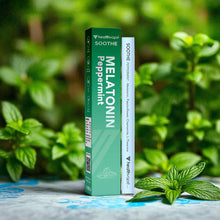
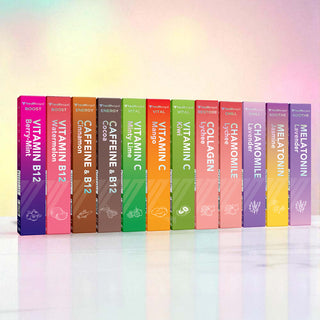
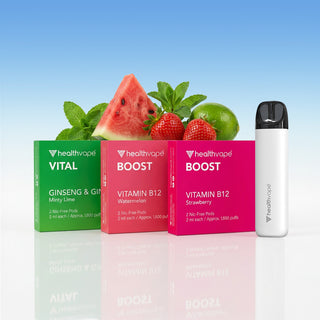
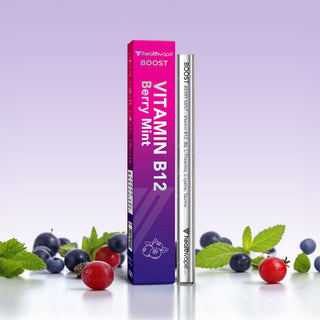
| Vitamin-Infused & Functional Inhalers | Devices with vitamin-infused and herbal ingredient formulas delivered through inhalation | Yes | Yes (positive ingredients) | Wellness-focused users; people replacing nicotine with something purposeful |
| Nicotine-Alternative Vapes | Vapes with non-nicotine compounds (Metatine, Nixodine) that mimic nicotine's sensation | Yes | Yes (synthetic alternatives) | People who want a throat hit and buzz without actual nicotine |
| Flavored Air Devices | Non-electronic tubes using essential oils or flavored air. No battery, no liquid. | No | Varies (essential oils) | People who want a ritual with zero vapor and minimal substance exposure |
| Non-Inhalation Alternatives | Patches, gum, lozenges, apps, behavioral tools, prescriptions | No | Varies | People quitting the entire inhalation habit, not just nicotine |
The rest of this guide goes deep on each category — what's available, who it's for, what it costs, and how to evaluate quality. Let's start with the largest and fastest-growing segment.
Nicotine-Free Vapes & Inhalers: The Biggest Category
This is where the market is moving fastest. Whether it's a zero-nicotine vape that replicates the exact experience of a traditional vape, an inhaler with vitamin-infused and herbal ingredient formulas, or a newer device using a nicotine-alternative compound — they all share one thing: they give you the ritual of vaping without any nicotine.
Zero-Nicotine Vapes
These are exactly what they sound like — standard vaping devices with VG/PG base liquid and flavoring, but with 0mg nicotine. The experience is identical to nicotine vaping: same devices, same flavors, same vapor production, same throat hit (or close to it). The only difference is what's missing.
That makes them the easiest transition for someone stepping down from nicotine. You don't have to change your device, your routine, or your flavor preferences. You just switch to a zero-nicotine pod or disposable and everything else stays the same.
What to look for:
- Flavor quality and draw. VG/PG ratios affect vapor production and throat feel. Higher VG = bigger clouds, smoother draw. Higher PG = more flavor intensity, stronger throat hit. The best products get this balance right.
- Rechargeable vs. disposable. USB-C rechargeable devices are more cost-effective long-term and reduce waste. Pod systems let you switch flavors without replacing the entire device.
- Third-party testing. This matters more than most people realize. Some products labeled "nicotine-free" have tested positive for nicotine — due to cross-contamination during manufacturing, mislabeling, or outright false advertising. Brands that publish independent lab results give you confidence in what you're actually inhaling.
- Manufacturing standards. Where and how the product is made is as important as what's in it. Look for ISO-certified manufacturing, clean room production, and full supply chain transparency.
Notable brands: ARRØ (wide flavor range, sleek device design), Cyclone Pods (founded specifically around nicotine-free vaping), Ripple+ (plant-based focus, popular in Europe).
Vitamin-Infused & Functional Inhalers
These products take the nicotine-free concept a step further. Instead of just removing nicotine, they replace it with positive ingredients — vitamin-infused and herbal ingredient formulas delivered through inhalation.
The appeal is straightforward: instead of puffing on something that's just flavor, you're using a product with purposeful, quality ingredients. Whether it's a caffeine-infused formula for a quick pick-me-up, a chamomile and lavender blend for winding down, or a vitamin C and zinc formula — the device serves a purpose beyond just being something to puff on.
Common formulations you'll find:
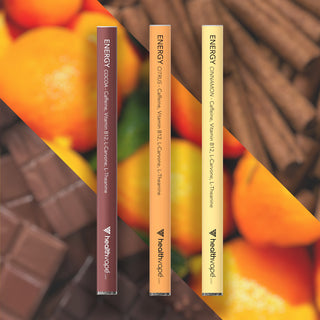
- Energy formulas — Caffeine + B-vitamin infusion. Designed as a coffee alternative or afternoon pick-me-up.
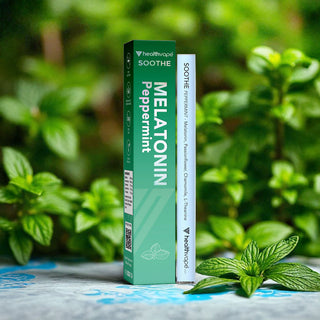
- Calm & sleep formulas — Melatonin + chamomile + lavender. Herbal ingredients for winding down at night.
- Immunity formulas — Vitamin C + zinc infusion. Daily wellness support.
- Focus formulas — B12 + L-theanine infusion. Positive ingredients for cognitive support.
Quality markers that matter:
- USP-grade ingredients. "USP" stands for United States Pharmacopeia — it means pharmaceutical-level purity and consistency. This is the difference between a product using verified, standardized ingredients and one using whatever was cheapest from a supplier.
- ISO-certified manufacturing. Clean room production (ISO 7 or ISO 8 certification) ensures the product is made in a controlled, contamination-free environment. Not all manufacturers meet this standard.
- Full ingredient transparency. Every ingredient should be listed — on the label and on the website. If a brand won't tell you exactly what's in the device, that tells you something.
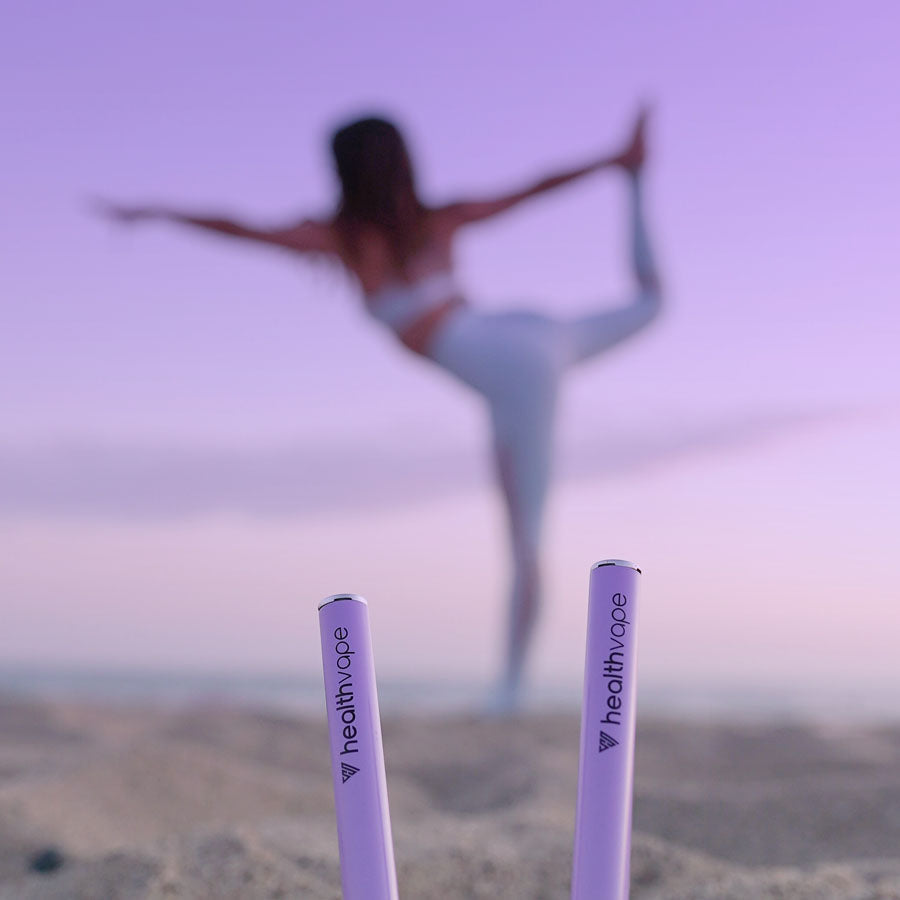
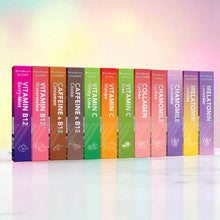
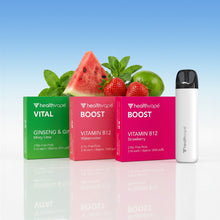
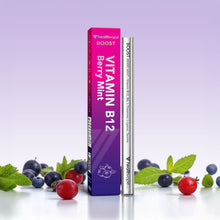
Notable brands: HealthVape (USP-grade ingredients, ISO-certified clean rooms, multiple vitamin-infused formulas), VitaBar (same manufacturing standards, complementary product line with vitamin and herbal ingredient infused formulations), VitaStik (early entrant in the space), MELO Air (melatonin-focused disposables).
Nicotine-Alternative Compounds
This is the newest sub-category and worth knowing about. A handful of companies have developed synthetic compounds designed to mimic nicotine's physical sensation — the throat hit, the light buzz — without being nicotine itself.
The main players right now:
- Metatine — Used in products like Spree Bar. Marketed as providing a "satisfying throat hit" similar to nicotine.
- Nixodine — A synthetic alternative appearing in several newer brands.
- NoNic6 — Another compound claiming to replicate nicotine's sensory effects.
These are very new. They're designed for people who specifically want that nicotine-like sensation without the nicotine — distinct from vitamin-infused inhalers (which replace nicotine with positive ingredients) or zero-nic vapes (which simply remove the nicotine). If the physical sensation of nicotine is what you're missing most, these are worth looking at, but understand that they're early-stage products with limited track records.
Flavored Air & Aromatherapy Devices
If you want the hand-to-mouth ritual without any vapor, liquid, battery, or electronics at all, flavored air devices are the most minimal option available.
These are essentially tubes — sometimes made of wood, sometimes plastic — that you inhale through to experience flavored air or essential oil aromatherapy. No heating element. No liquid. No vapor cloud. Think of it as a breathing exercise tool with a pleasant smell.
The appeal: Zero substance exposure beyond trace essential oils. No electronic components to worry about. No charging, no refilling. For the most health-conscious consumers who want absolutely nothing entering their lungs beyond flavored air, this is the category.
The trade-off: It's a fundamentally different experience from vaping. There's no vapor production, which means no visual feedback and minimal throat sensation. Former vapers and smokers often find these unsatisfying because the sensory experience is so much lighter. It's closer to holding a scented stick than to vaping.
Notable brands:
- FÜM — The market leader in this space. Wooden devices with replaceable flavor "cores." They specifically market against vaping and position as a "healthy habit." Reusable device (~$30–$45) with cores replaced every 1–2 weeks (~$5–$8 each).
- MONQ — Portable essential oil diffusers in pen form. Multiple aromatherapy blends (Happy, Zen, Sleepy, etc.). Disposable design, ~$20–$30 per device.
These work best for people whose primary goal is breaking the hand-to-mouth habit itself — not replacing nicotine's effects. If you're looking for a physical sensation similar to vaping, this isn't it. If you want the simplest possible behavioral substitute with the least substance exposure, it might be.

Beyond Inhalation: Every Other Nicotine-Free Alternative
Not everyone wants to keep inhaling something. For people whose goal is to quit the entire inhalation habit — not just swap nicotine for something else — there's a wide range of evidence-based alternatives. Some are FDA-approved with decades of clinical data. Others are newer but gaining traction.
Nicotine Replacement Therapy (NRT)
NRT products deliver controlled, decreasing doses of nicotine through routes other than inhalation — patches through the skin, gum and lozenges through the mouth. The idea is to separate the physical nicotine dependency from the behavioral habit of smoking or vaping, then gradually reduce the nicotine dose to zero.
Nicotine patches are the most hands-off option. Apply one in the morning and you get steady nicotine delivery throughout the day without thinking about it. Most programs use a step-down system: start with full-strength (21mg), drop to medium (14mg) after a few weeks, then low (7mg), then stop. The patch roughly doubles your quit rate compared to going cold turkey.
Nicotine gum (2mg and 4mg strengths) and lozenges give you on-demand nicotine when cravings hit. They're better for people whose cravings come in waves rather than being constant. The active chewing or dissolving also gives you something to do with your mouth, which helps with the oral fixation component.
Nicotine inhalers (prescription only, like Nicotrol) are a middle ground — they deliver nicotine through a mouthpiece you puff on, mimicking the hand-to-mouth action. The nicotine is absorbed through the mouth lining rather than the lungs, which makes it different from vaping despite the similar motion.
NRT products are available over the counter at any pharmacy. They're well-studied, FDA-approved, and covered by most insurance plans. If you want the most evidence-backed path to quitting nicotine, this is it.
Prescription Medications
Two prescription medications are FDA-approved specifically for smoking and nicotine cessation:
- Varenicline (Chantix/Champix) — Works by partially stimulating the brain's nicotine receptors so you get mild satisfaction without nicotine, while also blocking nicotine's effects if you do use it. Clinical trials show it roughly triples quit rates compared to willpower alone. Typical course: 12 weeks, starting 1–2 weeks before your quit date. Common side effects include nausea and vivid dreams. Requires a doctor's prescription.
- Bupropion (Wellbutrin/Zyban) — An antidepressant that also reduces nicotine cravings and withdrawal symptoms. Often prescribed in combination with NRT for the strongest effect. Especially useful if mood changes are a barrier to quitting. Also requires a prescription and isn't appropriate for everyone — talk to your doctor about your full medical history.
These aren't quick fixes. They work best when combined with behavioral support (counseling, apps, support groups). But the data is clear: medication-assisted quitting has significantly higher success rates than going it alone.
Behavioral & Digital Tools
The behavioral side of quitting is just as real as the chemical side. Habits are powerful, and having tools to manage them makes a measurable difference.
- Quit-tracking apps — Apps like QuitNow!, Smoke Free, and Quit Genius track your progress, count days smoke/vape-free, show money saved, and deliver timed motivational nudges during high-craving periods. Some use cognitive behavioral therapy (CBT) techniques. Quit Genius specifically combines CBT with medication support.
- Mindfulness and meditation — Apps like Headspace and Calm have specific programs for managing cravings. The core technique: when a craving hits, observe it without acting on it — notice the physical sensation, acknowledge it, and let it pass. Cravings typically peak at 3–5 minutes and fade. Mindfulness trains you to ride them out.
- Support communities — Reddit's r/QuitVaping (80,000+ members), r/stopsmoking, and various Facebook groups provide peer accountability. Knowing other people are going through the same thing and succeeding is genuinely motivating.
- Telephone quitlines — Every US state offers a free quitline (1-800-QUIT-NOW). Trained counselors provide personalized quit plans and follow-up calls. Underrated resource — most people don't know these exist.
Oral Substitutes & Fidget Tools
Sometimes the simplest solutions work. The oral fixation and hand-to-mouth habit are real barriers to quitting, and addressing them doesn't require technology or medication.
- Flavored toothpicks and cinnamon sticks — Gives your mouth something to do. Surprisingly effective for people whose strongest trigger is oral fixation.
- Regular gum and mints — Not nicotine gum — just regular gum. The chewing motion and flavor provide sensory input that reduces cravings.
- Sunflower seeds and crunchy snacks — The act of cracking and eating seeds occupies both your hands and mouth.
- Fidget devices — Worry stones, fidget spinners, stress balls. They address the "what do I do with my hands" problem that many people experience when quitting.
Herbal Pouches
A newer category gaining traction as an alternative to nicotine pouches and snus. These are small pouches placed between the lip and gum — same format as nicotine pouches like ZYN, but made with tea-cut herbs instead of tobacco or nicotine.
Common ingredients include green tea, yerba maté, ginseng, and natural flavoring. Some contain caffeine for a mild energy effect. They provide the physical oral sensation and ritual of using nicotine pouches without the nicotine itself.
Notable brands: Rogue Nicotine-Free, Grinds (coffee pouches, popular with baseball players), and several newer entrants.
These make the most sense for people who currently use nicotine pouches or dip — the format and experience are nearly identical, just without the addictive substance.

How to Choose the Right Alternative for You
The best option depends entirely on where you are and what you're trying to accomplish. Here's a practical framework:
| Your Situation | Best Starting Point | Why |
|---|---|---|
| Currently vaping with nicotine, want to drop the nicotine but keep vaping | Zero-nicotine vape | Identical experience minus the nicotine. Easiest possible transition — swap the pod and everything else stays the same. |
| Want to quit nicotine AND replace it with something purposeful | Vitamin-infused inhaler | The habit serves a positive purpose instead of just being a habit. Choose the formulation that fits your needs — energy, calm, immunity. |
| Want to quit nicotine AND all inhalation | NRT (patches + gum/lozenges) combined with a behavioral tool | Addresses the chemical dependency without maintaining the inhalation behavior. Step down the NRT dosage over 8–12 weeks. |
| Heavy nicotine user, need a gradual plan | Step-down approach: reduce nic strength → zero-nic vape → vitamin-infused inhaler or quit entirely | Going from high-nicotine to zero overnight is hard. Gradual reduction lets your body adjust at each stage. |
| Currently using nicotine pouches or dip | Herbal pouches (Grinds, Rogue NF) | Same format, same ritual, same oral sensation — just no nicotine. The easiest transition within this specific habit. |
| Want the hand-to-mouth ritual without any vapor or substance | Flavored air device (FÜM) or oral substitute | Pure behavioral replacement. Minimal substance exposure. Won't feel like vaping — but that's the point if your goal is to leave vaping behind entirely. |
| Never vaped or smoked, curious about wellness inhalation | Vitamin-infused inhaler from a brand with full ingredient transparency | Be honest with yourself: you're adding a new behavior, not quitting an old one. Choose the highest-quality product available — USP-grade, lab-tested, full ingredient disclosure. |
A note about combining approaches. These aren't mutually exclusive. Many people use NRT patches for baseline nicotine management while using a zero-nic vape or vitamin-infused inhaler for the behavioral habit. A quit-tracking app works alongside any of the above. The most successful quit plans tend to combine two or more methods — addressing both the chemical and behavioral sides simultaneously.
What You'll Actually Spend: A Cost Comparison
One of the most practical questions — and one that most guides skip. Here's what each category actually costs on a monthly basis for regular use.
| Product Type | Price Range | Monthly Cost |
|---|---|---|
| Nicotine vape (disposable, for comparison) | $15–$30 per device | $60–$300 |
| Zero-nicotine vape (disposable) | $13–$25 per device | $13–$100 |
| Vitamin-infused inhaler | $15–$20 per device | $30–$80 |
| Nicotine-alternative vape (Metatine, etc.) | $15–$28 per device | $20–$110 |
| Flavored air device (FÜM + cores) | $30–$45 device + $5–$8/core | $15–$40 |
| NRT patches (OTC) | $25–$50 per box | $25–$100 |
| Nicotine gum (OTC) | $30–$55 per box | $30–$110 |
| Herbal pouches | $4–$7 per can | $16–$60 |
| Prescription (Chantix generic) | $30–$150 (with insurance) | $10–$50 (during course) |
The bottom line on cost: Nearly every nicotine-free alternative is cheaper than a nicotine vaping habit. Most regular nicotine vapers spend $100–$200+ per month. Switching to any category above typically cuts that by 40–80%. The savings add up fast — $100/month in savings is $1,200 a year.
Some context: costs vary based on how often you use the product. A casual user who puffs a few times a day will be at the low end. Someone replacing a heavy nicotine habit with frequent use will be higher. The table above assumes moderate, regular daily use.
Brand Comparison: Major Players in 2026
The nicotine-free market breaks down into four distinct categories. Here's how the major brands stack up within each one.
1. Zero Nic, Vitamin-Infused
These products combine nicotine-free inhalation with positive ingredients — vitamin-infused and herbal ingredient formulas that give the experience a purpose beyond just flavor.
| Brand | Standout Feature | Best For |
|---|---|---|
| HealthVape | USP-grade positive ingredients, ISO-certified clean rooms, multiple vitamin and herbal ingredient infused formulations (Energy, Chill, Boost, etc.) | Wellness-focused users who prioritize ingredient quality and manufacturing transparency |
| VitaBar | Same manufacturing standards as HealthVape, vitamin and herbal ingredient infused product line with unique formulations and flavors | Users looking for additional positive ingredient options |
| MELO Air | Melatonin-focused disposables, simple single-purpose design | People specifically looking for a melatonin-infused option for nighttime use |
2. Zero Nic Vape
Standard vaping devices with VG/PG and flavoring — 0mg nicotine. The experience is closest to traditional vaping without the nicotine. No added vitamins or functional ingredients.
| Brand | Standout Feature | Best For |
|---|---|---|
| ARRØ | Wide flavor variety, sleek device design, strong brand presence | Former nicotine vapers who want the closest experience to traditional vaping |
| Cyclone Pods | Founded specifically around nicotine-free vaping. Pod systems and disposables. | Users committed to zero nicotine from the start |
| Ripple+ | Plant-based, botanical formulations. Strong presence in Europe and UK. | Eco-conscious users, those interested in botanical ingredients |
3. Flavored Air
Non-electronic devices with no vapor, no liquid, and no battery. Pure behavioral replacement using flavored air — the most minimal option in the market.
| Brand | Standout Feature | Best For |
|---|---|---|
| FÜM | Wooden devices with replaceable flavor "cores." No electronics, no heating. Positioned as a healthy habit replacement. | People quitting all inhalation of any heated substance, looking for the simplest behavioral substitute |
4. Essential Oil Vapes
Portable essential oil diffusers in pen form — aromatherapy delivered through inhalation. A lighter, more casual category focused on scent and mood.
| Brand | Standout Feature | Best For |
|---|---|---|
| MONQ | Multiple essential oil blends (Happy, Zen, Sleepy, etc.) in disposable pen form. Aromatherapy-focused. | Aromatherapy-interested users, casual/occasional use, gift market |
A note on choosing brands: Regardless of which category or brand appeals to you, prioritize three things: ingredient transparency (can you see exactly what's in the product?), manufacturing standards (where and how is it made?), and third-party testing (has an independent lab verified what's on the label?). In a market that's still largely unregulated, these are the markers that separate trustworthy products from questionable ones.

The Bottom Line
There's no single "best" nicotine-free alternative. The right choice depends on what you're trying to accomplish, where you are in your journey, and what experience you're looking for.
Three principles that apply no matter which direction you go:
- Know what's in it. If you're inhaling something, you should know exactly what it contains. Full ingredient disclosure, third-party lab testing, and manufacturing certifications are non-negotiable markers of quality. Brands that meet these standards are happy to tell you. Brands that don't — aren't.
- Be honest about your goal. Quitting nicotine, quitting inhalation entirely, or looking for a wellness benefit? These lead to different products. The most common mistake is picking a product designed for one goal when you're actually working toward another.
- Quality matters more than price. In a market where manufacturing standards vary enormously, the cheapest option and the safest option are rarely the same. USP-grade ingredients manufactured in certified facilities cost more to produce — and that cost is worth it.
The nicotine-free alternatives market is evolving fast. New formulations, new brands, and better products are emerging constantly. Whatever path you choose, you're part of a $4.1 billion shift away from nicotine dependency — and that's a move worth making.
If vitamin-infused inhalers with positive ingredients are the right fit for your situation, you can explore HealthVape's full lineup — every ingredient listed, every batch tested, every device manufactured in ISO-certified clean rooms.
Frequently Asked Questions
Can nicotine-free vapes help you quit nicotine?
Yes — they're widely used as the final step in a step-down strategy. The approach: gradually reduce your nicotine strength over weeks or months (from high → medium → low → zero), then switch to a nicotine-free product. This maintains the behavioral habit while eliminating the chemical dependency. Many people find that keeping the hand-to-mouth ritual significantly reduces the difficulty of quitting nicotine.
What's the difference between a vitamin-infused inhaler and a zero-nicotine vape?
A zero-nicotine vape contains VG/PG and flavoring — it replicates the vaping experience without nicotine, but doesn't add anything functional. A vitamin-infused inhaler contains positive ingredients (herbal extracts, vitamin-infused formulas, botanical blends) designed to offer something purposeful beyond the habit itself. Both are nicotine-free; the difference is whether you're getting positive ingredients or just the sensory experience.
What are Metatine, Nixodine, and NoNic6?
These are synthetic compounds designed to mimic nicotine's physical sensation (throat hit, mild buzz) without being nicotine. They're appearing in newer vape products as "nicotine alternatives." They're not nicotine, and they're not vitamin-infused formulas — they're a separate category entirely. These compounds are very new, and long-term data is limited.
Are nicotine-free inhalers FDA approved?
No. Vitamin-infused inhalers, zero-nicotine vapes, and flavored air devices are not FDA-approved medical devices or supplements. The FDA regulates products containing or derived from tobacco, and some nicotine-free products may fall under this jurisdiction depending on their marketing claims. This is an evolving regulatory space. Look for brands that voluntarily exceed minimum requirements — USP-grade ingredients, ISO-certified manufacturing, and third-party lab testing — rather than relying on regulatory mandates that haven't fully caught up to this product category.
How much money will I save by switching from nicotine vaping?
Most regular nicotine vapers spend $100–$200+ per month. Nicotine-free alternatives typically cost $15–$80/month depending on the category and usage frequency. That's a savings of $40–$185 per month, or roughly $500–$2,200 per year. See our full cost comparison table above for a category-by-category breakdown.
What's the best nicotine-free alternative for heavy smokers?
For heavy nicotine users, a gradual step-down is more realistic than going cold turkey. Consider combining NRT (patches for baseline nicotine management) with a zero-nicotine vape or vitamin-infused inhaler (for the behavioral habit). As the NRT dose decreases over 8–12 weeks, the nicotine-free device handles the ritual. Prescription medications like varenicline can also significantly improve success rates — talk to your doctor.
Do nicotine-free vapes have side effects?
Potential side effects depend on the product type: throat irritation (especially when transitioning from nicotine), dry mouth, and occasional coughing are commonly reported. Products containing caffeine can cause jitteriness if overused. Products containing melatonin can cause drowsiness (which is the point — don't use sleep formulations before driving). If you experience persistent irritation or discomfort, stop use and consult a healthcare provider.
What's the best way to choose between all these options?
Start from your goal: Are you quitting nicotine? Quitting all inhalation? Looking for a wellness benefit? Each goal maps to a different category. Our decision guide above matches six common situations to the best starting point. The most important thing is being honest about what you're trying to accomplish — that narrows the field quickly.
Disclosure: HealthVape is a vitamin-infused inhaler brand. This guide covers our products alongside competitors because we believe informed consumers make better decisions. All brand comparisons reflect publicly available product information as of May 21, 2026.